Slow Cooker & Beyond: Crafting the Best Beef and Guinness Pie
There are few dishes that encapsulate warmth, comfort, and deep, satisfying flavor quite like a truly magnificent
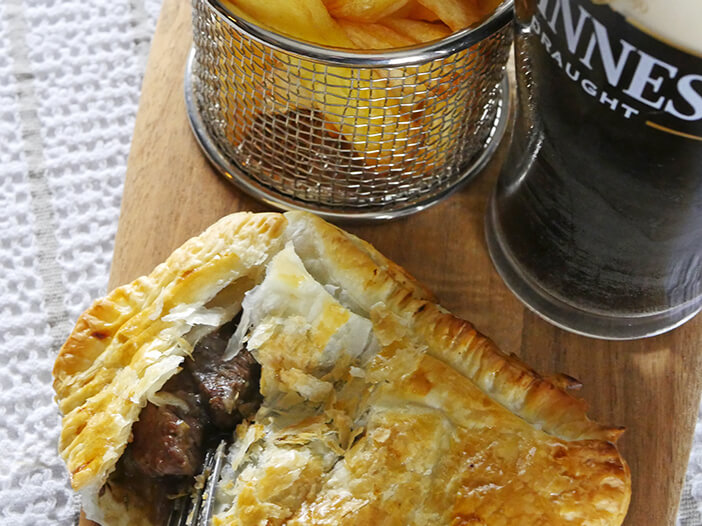
Beef and Guinness Pie. This culinary masterpiece isn't just a meal; it's an experience—a rich tapestry of tender, slow-cooked beef, bathed in a velvety, malty Guinness gravy, all crowned with a golden, impossibly flaky pastry crust. Whether the wind howls outside or you simply crave that profound sense of culinary contentment, this iconic Irish favorite promises to deliver a warm hug in every single bite.
Originating from the heart of Ireland's pub culture and home kitchens, the
Beef and Guinness Pie has transcended its humble beginnings to become a beloved classic worldwide. It's a testament to the power of simple, quality ingredients, transformed by time and care into something extraordinary. Forget fussy fine dining; this is the kind of hearty, soulful dish that speaks of fireside meals, convivial gatherings, and the deep-rooted love of slow food and storytelling. If you’re looking to master this quintessential comfort food, whether you're aiming for an easy weekday meal or a show-stopping centerpiece, you’ve come to the right place.
The Soulful Trinity: Tender Beef, Velvety Gravy, Flaky Crust
At the heart of every unforgettable
Beef and Guinness Pie lies a perfect synergy of three crucial components, each playing a vital role in creating that signature, soul-stirring flavor and texture profile.
1.
Tender Chunks of Slow-Cooked Beef: The foundation of this pie is, of course, the beef. We're talking about cuts that lend themselves to long, slow braising, breaking down connective tissues to become meltingly tender. When cooked correctly, each morsel of beef should practically dissolve in your mouth, infused with the rich flavors of its cooking liquid.
2.
Malty, Velvety Guinness-Infused Gravy: This is where the magic truly happens. The dark Irish stout isn't just a liquid; it's a flavor enhancer, deepening the savory notes of the beef and vegetables while adding a subtle bitterness and malty complexity that beautifully balances the dish's richness. It transforms into a thick, glossy gravy that clings to every piece of meat and vegetable, delivering an explosion of umami with every spoonful.
3.
Golden, Flaky Pastry Crust: The crowning glory. A truly great pie is nothing without a crisp, buttery crust that provides a delightful textural contrast to the tender filling. It should be golden brown, light, and flaky, offering a satisfying crunch before giving way to the luscious filling beneath.
Together, these elements combine to create a dish that is rich, savory, and profoundly comforting. It’s no wonder it tastes like home and tradition wrapped in flaky pastry.
Mastering the Filling: The Heart of Your Beef and Guinness Pie
The secret to a truly exceptional
Beef and Guinness Pie lies in meticulously crafting its robust and flavorful filling. This isn't just about throwing ingredients into a pot; it's about building layers of flavor that develop over time.
Choosing and Preparing Your Beef
For optimal tenderness and flavor, select cuts of beef that benefit from slow cooking. Chuck steak, stewing beef, or brisket are excellent choices. They have enough fat and connective tissue to become incredibly tender and flavorful during the long braising process.
*
Browning is Key: Before adding any liquid, always sear your beef vigorously until deeply browned on all sides. This crucial step creates a Maillard reaction, developing complex, savory flavors that will form the backbone of your gravy. Don't overcrowd the pan; work in batches if necessary to ensure a proper sear rather than steaming.
*
Aromatics and Vegetables: After the beef, sautéing your aromatics like onions, carrots, and celery until softened and slightly caramelized adds a layer of sweetness and depth. Mushrooms are a classic addition, soaking up the gravy and adding an earthy note. Many traditional recipes also include bacon or pancetta, rendered until crisp, with the rendered fat used to cook the vegetables, adding another dimension of smoky richness.
*
The Guinness Factor: Once your beef and vegetables are ready, deglaze the pan with Guinness stout. The dark beer not only contributes its unique malty, slightly bitter, and subtly sweet notes but also helps to tenderize the beef. Choose a quality Irish stout; its robust flavor will shine through. Add beef broth or stock to ensure enough liquid for braising.
*
Herbs and Seasoning: Fresh thyme, bay leaves, and a touch of rosemary are classic complements to beef and Guinness. Season generously with salt and freshly ground black pepper, tasting and adjusting as the stew simmers.
*
Thickening the Gravy: A common pitfall for aspiring pie makers is a gravy that’s too thin. If the gravy is too loose, the pie can turn into "stew with a lid" rather than a cohesive, sliceable pie. Thicken your gravy by whisking in a roux (flour cooked in fat) early in the process, or by creating a slurry of cornstarch and water towards the end. Simmer until the desired consistency is achieved—it should be thick enough to coat the back of a spoon.
The Importance of Cooling
This step cannot be stressed enough:
let your filling cool completely before topping it with pastry. This isn't just a suggestion; it's a fundamental rule for achieving a perfect crust.
*
Prevents a Soggy Crust: Hot filling releases steam, which can make your pastry soggy and heavy instead of light and crisp.
*
Ensures Proper Puff: Especially if you're using puff pastry, the butter in the pastry needs to stay cold to create those glorious layers. If the filling is too hot, the butter melts prematurely, leading to a greasy or flat crust. Cooling first allows the butter to do its job, giving you that beautifully crisp, golden top. For more insights on achieving this, check out our guide on
Secrets to the Perfect Beef and Guinness Pie: Flaky Crust & Tender Beef.
Slow Cooker & Beyond: Adapting Your Beef and Guinness Pie
While traditional
Beef and Guinness Pie often involves stovetop braising followed by oven baking, its comforting nature makes it incredibly adaptable to various cooking methods.
The Slow Cooker Advantage
For those busy weeknights or for cooks who appreciate a hands-off approach, a
slow cooker beef and Guinness pie version is an absolute game-changer. The slow cooker excels at rendering tough cuts of meat incredibly tender, infusing them with flavor over hours.
*
Preparation: You'll still want to brown your beef and sauté your aromatics on the stovetop first to build flavor, then transfer everything to the slow cooker.
*
Cooking Time: Cook on low for 6-8 hours or on high for 3-4 hours, until the beef is fork-tender.
*
Finishing: Once the filling is cooked, transfer it to a pie dish, adjust seasoning, thicken the gravy if necessary, and ensure it cools completely before adding your pastry and baking in the oven. This method truly simplifies the process without compromising on the depth of flavor that makes the
best beef and Guinness pie recipe so beloved.
Traditional Oven Braising
If you prefer the classic method, oven braising in a Dutch oven or heavy pot is equally effective. After browning and sautéing, simmer the stew on the stovetop for a short period, then transfer the covered pot to a moderate oven (around 325°F / 160°C) for 2-3 hours, or until the beef is meltingly tender. This method also develops deep, rich flavors beautifully.
Crafting the Perfect Crust: A Golden Crown
While the filling is the heart, the crust is undoubtedly the crown of your
Beef and Guinness Pie. You have a few options, each yielding a slightly different result:
*
Puff Pastry: This is a popular choice for its dramatic rise and incredibly flaky, buttery layers. It's often used for a "lid only" pie, placed directly on top of the filling in an oven-safe dish.
*
Shortcrust Pastry: For a more traditional, encasing pie, shortcrust pastry is ideal. It provides a sturdy yet tender base and top, offering a different kind of flaky texture. You can make your own or use good quality store-bought pastry for convenience.
Regardless of your choice, remember these tips:
*
Keep it Cold: Work with cold pastry and cold filling.
*
Vent Your Pie: Cut a few slits or a decorative pattern into the top crust to allow steam to escape. This prevents the pastry from becoming soggy and ensures even cooking.
*
Egg Wash for Shine: Brush the top of your pastry with an egg wash (beaten egg with a splash of water or milk) before baking for a beautiful golden sheen.
For a comprehensive guide on making your own pastry or perfecting store-bought options, be sure to read our article
Master the Classic: Hearty Beef and Guinness Pie for Cozy Nights.
Serving Your Masterpiece
A glorious
Beef and Guinness Pie is a meal in itself, but it pairs wonderfully with simple sides. Creamy mashed potatoes (perfect for soaking up any extra gravy), steamed green beans, roasted root vegetables, or a crisp green salad provide a refreshing counterpoint to the rich pie. A pint of Irish stout, of course, is the quintessential beverage pairing, though a robust red wine would also be delightful.
Conclusion
Few dishes offer the profound satisfaction of a homemade
Beef and Guinness Pie. It's more than just a recipe; it's a culinary journey rooted in tradition, warmth, and the simple joy of good food shared. From the meltingly tender beef to the rich, malty gravy and the golden, flaky crust, every element works in harmony to create a truly unforgettable meal. Whether you opt for the convenience of a slow cooker or the classic oven braise, the effort invested in crafting this savory, soulful pie is always rewarded tenfold. So gather your ingredients, embrace the slow cooking process, and prepare to delight your senses with this quintessential taste of Irish comfort.